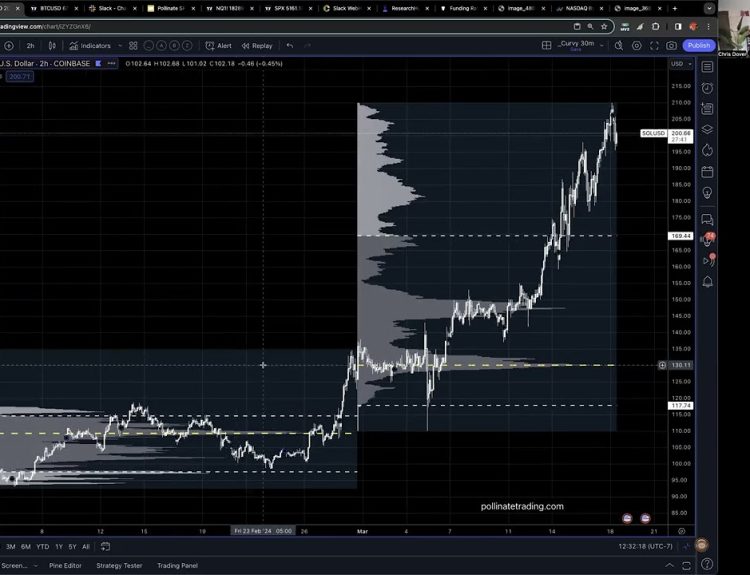
The CFD trading environment in the UAE continues to evolve, with traders increasingly looking for brokers that combine regulatory oversight, reliable technology, and access to global markets. For active traders in the UAE and wider GCC region (excluding Saudi Arabia), choosing the right broker involves assessing more than available instruments. Factors such as execution quality, account flexibility, platform functionality, and operational transparency all contribute to the overall trading experience.
As a UAE-based CFD provider, ADSS focuses on delivering a structured trading environment for self-directed traders through regulated operations, multiple platforms, and access to global markets.
ADSS Regulation and UAE Market Presence
ADSS has established itself as a recognised CFD broker within the UAE financial sector. Based in Abu Dhabi, the company operates under the supervision of the Securities and Commodities Authority (SCA), which oversees its brokerage activities within the UAE.
For traders located in the region, local regulation can be an important consideration when comparing brokers. A UAE-regulated framework provides a level of familiarity for clients who prefer working with a broker operating under domestic financial requirements.
It is also important to understand ADSS’s role as an execution-only provider. The broker does not offer investment advice, managed portfolios, or financial planning services. Instead, it provides the technology and infrastructure required for clients to make their own CFD trading decisions.
A CFD-Focused Trading Model
ADSS is focused entirely on CFD trading, allowing clients to speculate on market price movements without owning the underlying assets.
The broker provides access to:
- CFDs on forex: Allowing traders to take positions on global currency movements.
- CFDs on equities: Providing exposure to share price movements across international companies.
- CFDs on commodities: Covering markets such as energy products and precious metals.
- CFDs on indices: Enabling traders to follow movements in major global benchmarks.
- CFDs on cryptocurrencies: Offering derivative-based access to digital asset price changes.
Although these markets are based on familiar financial instruments, ADSS does not offer direct ownership of currencies, shares, commodities, indices, or cryptocurrencies. All trades are conducted through CFDs, meaning traders are speculating on price fluctuations rather than purchasing the underlying assets.
This structure is designed primarily for active traders who understand leveraged products and are comfortable managing their own positions.
Trading Platforms and Technology Features
A broker’s technology offering can have a significant impact on the trading process. ADSS provides access to both MetaTrader 4 (MT4) and its proprietary WebTrader platform.
MT4 continues to be widely used among CFD traders because it provides:
- Advanced charting tools
- Technical indicators
- Automated trading capabilities
- Customisable trading environments
For traders who prefer a familiar platform with extensive analytical features, MT4 remains a practical option.
The ADSS WebTrader platform offers a more streamlined alternative. As a browser-based solution, it allows traders to access their accounts without downloading additional software. It includes features for monitoring markets, analysing price movements, and managing CFD positions.
Together, these platforms provide flexibility for traders with different levels of experience and varying technical requirements.
Account Types and Minimum Requirements
ADSS offers different account levels designed to support traders with varying levels of activity and capital.
The account structure includes:
- Classic Account: Providing access to the broker’s CFD markets for standard retail traders.
- Elite Account: Designed for traders seeking enhanced trading conditions.
- Pro Account: Developed for more experienced and higher-volume CFD traders.
The Elite and Pro account tiers require a minimum deposit of $25,000. This requirement reflects the positioning of these accounts toward traders with larger capital allocations who may benefit from improved trading conditions.
When comparing account types, traders often consider factors such as pricing, platform access, available markets, and overall account suitability rather than focusing only on initial funding requirements.
Trading Conditions and Costs
ADSS uses a spread-based pricing model for its CFD offering. The cost of trading can vary depending on the market, account type, and prevailing liquidity conditions.
Factors that may influence trading costs include:
- Market volatility
- Instrument liquidity
- Account tier
- Trading volume
For active traders, understanding the relationship between spreads and market conditions is essential. During periods of increased volatility, spreads may widen across CFD markets, which is a common characteristic of leveraged trading environments.
Traders holding CFD positions overnight should also consider applicable financing charges, as these may affect the overall cost of maintaining positions over extended periods.
Reviewing the ADSS Trading Experience
When assessing a CFD broker, traders often look beyond individual features and consider how all elements work together, from platform reliability to account conditions and market access. An ADSS Review can provide further insight into how the broker compares across areas such as trading tools, user experience, and available services.
For experienced traders, these factors can help determine whether a broker’s infrastructure aligns with their preferred approach and trading requirements.
Final Assessment
ADSS remains a notable participant in the UAE CFD trading landscape in 2026, offering a combination of local regulation, multi-market access, and established trading technology.
For traders in the UAE and wider GCC region (excluding Saudi Arabia), the broker provides a structured environment for accessing CFDs on forex, equities, commodities, indices, and cryptocurrencies through recognised trading platforms.
However, ADSS is designed specifically for self-directed CFD traders rather than investors seeking direct asset ownership or advisory services. Its suitability depends on individual trading goals, preferred platforms, and risk management approach.