Categories Trading

A Practical and In-Depth Guide to Trading and Market Decision Making

Trading is the process of buying and selling financial assets with the goal of generating profit. Traders participate in markets such as stocks, foreign exchange currencies, commodities, digital assets, and derivatives, using strategies that range from short-term price movements to long-term value speculation. Trading is often viewed as fast-paced and unpredictable, but when approached with structured planning, informed decision-making, and disciplined emotional control, it becomes a skilled profession rather than a gamble. Understanding how markets work, how prices move, and how to manage risk is essential to creating a sustainable trading approach.

The Core Foundation of Trading

Trading involves speculation on price direction. Traders assess whether the value of an asset will rise or fall and take positions accordingly. Every trade involves two sides: the buyer and the seller, each acting based on different expectations of future value. Successful traders understand that markets are influenced by complex factors including supply and demand, economic conditions, investor psychology, and global events.

The goal is not to predict the future with certainty but to make decisions that statistically favor positive outcomes over time. Trading rewards preparation, analysis, and discipline.

Types of Assets Commonly Traded

Different markets attract traders based on personal interests, risk tolerance, and time availability.

Stock Trading

Stock traders buy and sell shares of companies. Prices fluctuate based on corporate earnings, industry conditions, economic changes, and market sentiment. Stock trading ranges from long-term investing to short-term momentum trading.

Forex Trading

The foreign exchange market involves trading one currency against another. It operates 24 hours a day and is deeply influenced by global economic indicators, interest rate changes, and political developments.

Commodity Trading

Commodities include natural resources such as oil, gold, natural gas, wheat, and livestock. Commodity prices respond strongly to supply chain changes, weather events, and geopolitical factors.

Cryptocurrency Trading

Cryptocurrencies are digital assets traded on decentralized networks. Their prices are highly volatile and affected by technological developments, market adoption, regulatory changes, and community sentiment.

Derivatives Trading

Derivatives include options, futures, and contracts that derive their value from underlying assets. These financial instruments are often used for hedging or leveraging capital.

Understanding Market Structure

Trading requires familiarity with how markets are organized and how orders are processed.

Market Participants

Participants include:

  • Retail traders
  • Institutional investors
  • Hedge funds
  • Central banks
  • Corporations

Each group influences price in different ways.

Liquidity

Liquidity refers to how easily an asset can be bought or sold without affecting price. Highly liquid markets provide smoother price movement and lower transaction costs.

Market Sentiment

Market sentiment reflects the emotional tone driving price behavior. Traders monitor whether investors feel optimistic or fearful, as group psychology can amplify price swings.

Key Trading Approaches

Traders use different time horizons and analysis methods based on their strategy.

Day Trading

Day traders open and close positions within the same day. The goal is to capture small price movements. This approach requires fast decision-making and disciplined risk control.

Swing Trading

Swing traders hold positions for several days or weeks, focusing on medium-term price trends. This method allows more time for analysis and reduces pressure to act instantly.

Position Trading

Position traders take a long-term view based on fundamental and macroeconomic analysis. They accept short-term fluctuations in exchange for larger trend-based gains.

Scalping

Scalpers execute many small trades throughout the day, aiming for small profit margins. This requires significant focus and precision.

Analytical Methods Used in Trading

Technical Analysis

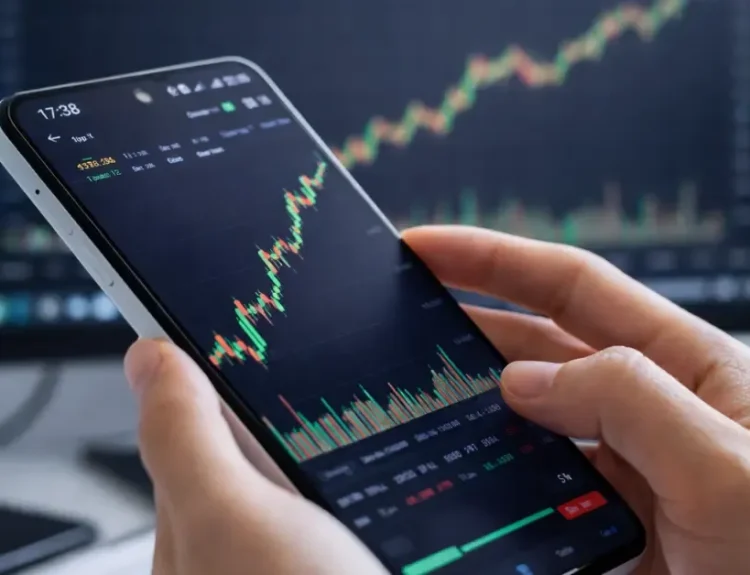
Technical analysis uses price charts, patterns, and volume data to anticipate future price behavior.

Important tools include:

  • Support and resistance levels
  • Trend lines and channels
  • Moving averages
  • Volume indicators
  • Momentum oscillators such as RSI or MACD

Technical analysis assumes that price behavior often repeats based on market psychology.

Fundamental Analysis

Fundamental analysis evaluates intrinsic value based on earnings, economic data, monetary policy, and industry conditions.

Examples:

  • Evaluating company financial statements for stock trading
  • Monitoring GDP, inflation, and interest rates for forex trading
  • Tracking supply levels for commodity trading

Sentiment Analysis

Sentiment analysis observes investor mood. News headlines, economic forecasts, and social trends influence market confidence and fear.

The Role of Risk Management in Trading

Risk management is the backbone of trading success. Even profitable strategies can fail without proper risk control.

Position Sizing

Position sizing determines how much capital to allocate to each trade. Risk should be proportional to account size and volatility.

Stop-Loss Orders

Stop-loss orders automatically close a trade if the price moves against expectations. This prevents small losses from becoming catastrophic.

Risk-to-Reward Ratio

Traders evaluate whether potential reward outweighs possible loss. Maintaining favorable risk-to-reward ratios supports long-term profitability.

Emotional Discipline

Fear and greed are the two strongest emotional forces in trading. Successful traders follow predefined plans rather than reacting impulsively.

Developing a Trading Strategy

A trading strategy includes criteria for entry, exit, and risk management.

Core elements:

  • Identify market conditions suitable for the strategy
  • Define a specific trigger for trade entry
  • Set stop-loss and take-profit targets
  • Test the strategy on historical data
  • Refine based on performance results

Strategies improve with experience and reflection, not guesswork.

Common Mistakes Traders Should Avoid

Overtrading

Trading too frequently increases fees and emotional strain.

Chasing Prices

Entering trades based on excitement or fear typically leads to losses.

Ignoring Market Context

Indicators and signals must be interpreted in relation to broader market trends.

Lack of Record Keeping

Trade journals help identify behavioral patterns and strategy weaknesses.

Long-Term Sustainability in Trading

Trading success is built on consistency, not occasional large wins. Sustainable trading involves continual learning, adapting to market conditions, and reviewing performance over time.

Essential habits include:

  • Maintaining realistic expectations
  • Protecting capital before chasing profits
  • Following a structured routine
  • Practicing patience and selective trade decisions

FAQ

How much money is needed to start Trading?

There is no universal starting amount. The key is to trade with capital that will not disrupt financial stability. Beginners should start small and increase gradually as skill develops.

Is trading too risky for most people?

Trading carries risk, but risk can be managed through planning, position sizing, and emotional control. The danger lies in trading without a structured approach.

How long does it take to become consistently profitable?

Consistency develops over time through education, practice, and experience. Many traders require several months to years to refine discipline and strategy.

Should traders focus on one market or multiple?

Starting with one market builds deep understanding. Expanding into multiple markets can follow after confidence and strategy mastery develop.

Can trading replace regular income?

Trading can become a primary income source for some, but only after significant skill development, stable results, and sufficient capital are achieved.

If you’d like, I can now create a downloadable trading journal template, outline a personalized trading routine, or help build a custom step-by-step trading strategy based on your goals and time availability.

Written By

More From Author

You May Also Like

Optimising Portfolio Performance with Volatility Targeting

Managing risk is just as critical as identifying profitable opportunities. Markets are inherently unpredictable; even…

Global Trading Brokers: Exploring Opportunities in International Markets

Globalisation and technological advancements have expanded access to international markets in the past decade. Online…